

Performance optimization mode makes sure that traffic flows through the best performing routes by reducing packet loss and latency, while ignoring other characteristics such as provider bandwidth usage or transit cost. The system analyzes each of the connected providers and compares only their performance metrics in order to choose the best candidate and make an improvement.
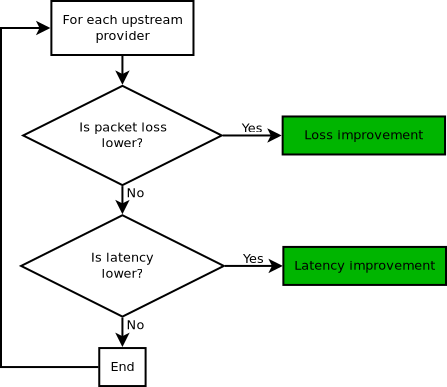
Figure 1.3.1: Performance optimization algorithm
First of all, IRP considers packet loss. If loss is lower and the difference is greater than a predefined value, then the system checks if sending the traffic through this provider will not cause any network congestion. If it confirms that the traffic can flow freely, the system declares the provider as the best one to route through.
However, if loss values are equal or the difference between providers is smaller than predefined, the system continues by comparing latency values. If latency is lower and the difference in latency between providers is greater than predefined, then the system declares a latency-based improvement.