

Step 1: Enable failover #
Failover configuration has a series of mandatory global settings before enabling it.
- Failover status (global.failover_role)
- Slave IPv4 address (global.failover_slave.ip)
- Slave IPv6 address (global.failover_slave.ipv6)
- Slave SSH port (global.failover_slave.port)
- Failover timer in seconds (global.failover_timer_fail)
- Failback timer in seconds (global.failover_timer_failback)
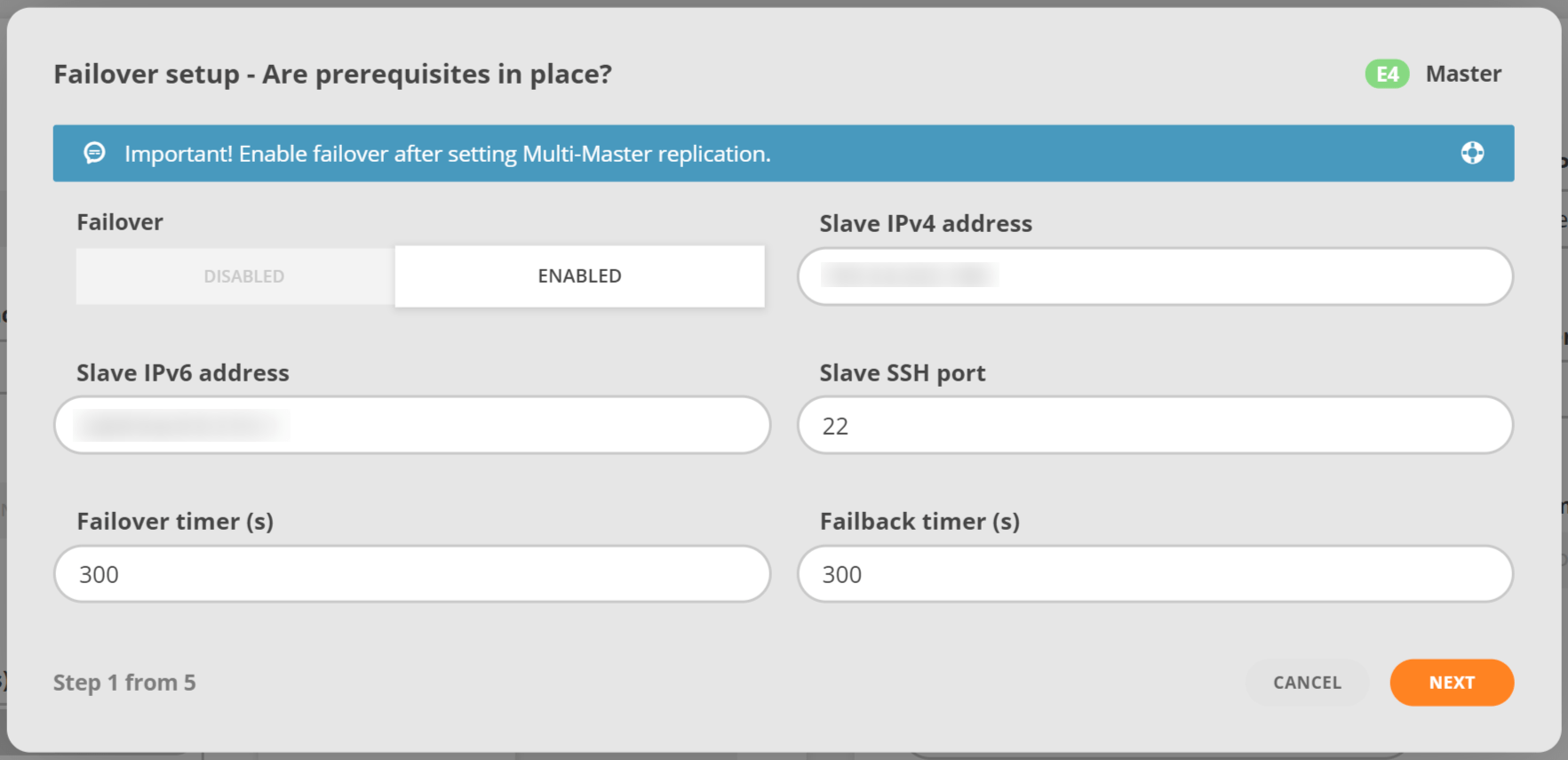
Figure 3.2.25: Configuration editor: Failover setup
Step 2: Probing IP configuration #
Probing IPs must be assigned to all configured providers for both master and slave nodes (peer.X.ipv4.master_probing, peer.X.ipv4.slave_probing, peer.X.ipv6.master_probing, peer.X.ipv6.slave_probing).
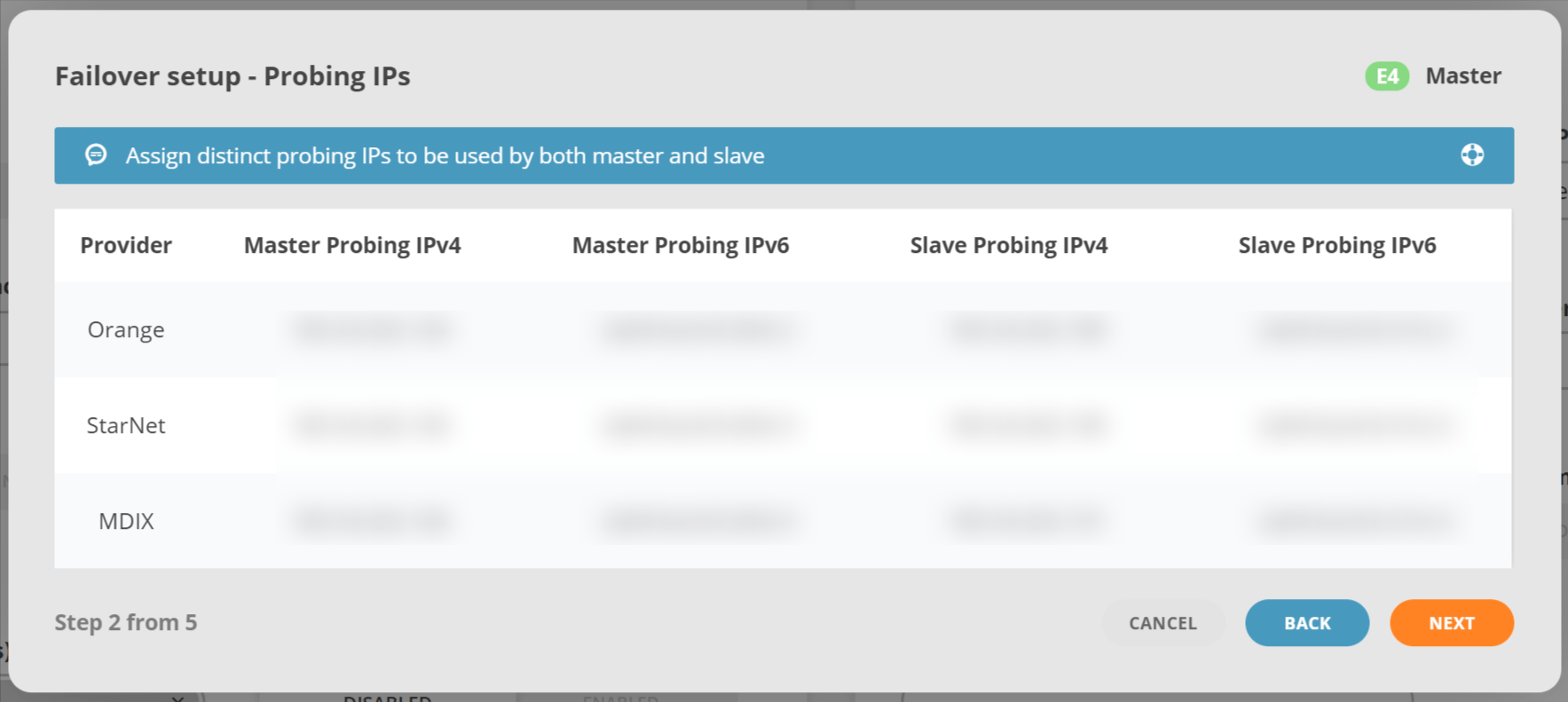
Figure 3.2.26: Configuration editor: Failover probing IPs for providers
Step 3: Router BGP session settings #
Master and slave nodes of a failover configuration establish BGP sessions with all configured routers. The following parameters are required:
- Local IP address for both master and slave (bgpd.peer.X.master_our_ip, bgpd.peer.X.slave_our_ip, bgpd.peer.X.master_our_ipv6, bgpd.peer.X.slave_our_ipv6)
- Router IP address for both master and slave (bgpd.peer.X.master_peer_ip, bgpd.peer.X.master_peer_ipv6, bgpd.peer.X.slave_peer_ip, bgpd.peer.X.slave_peer_ipv6)
- BGP session password for master and/or slave if any (bgpd.peer.X.master_password, bgpd.peer.X.slave_password)
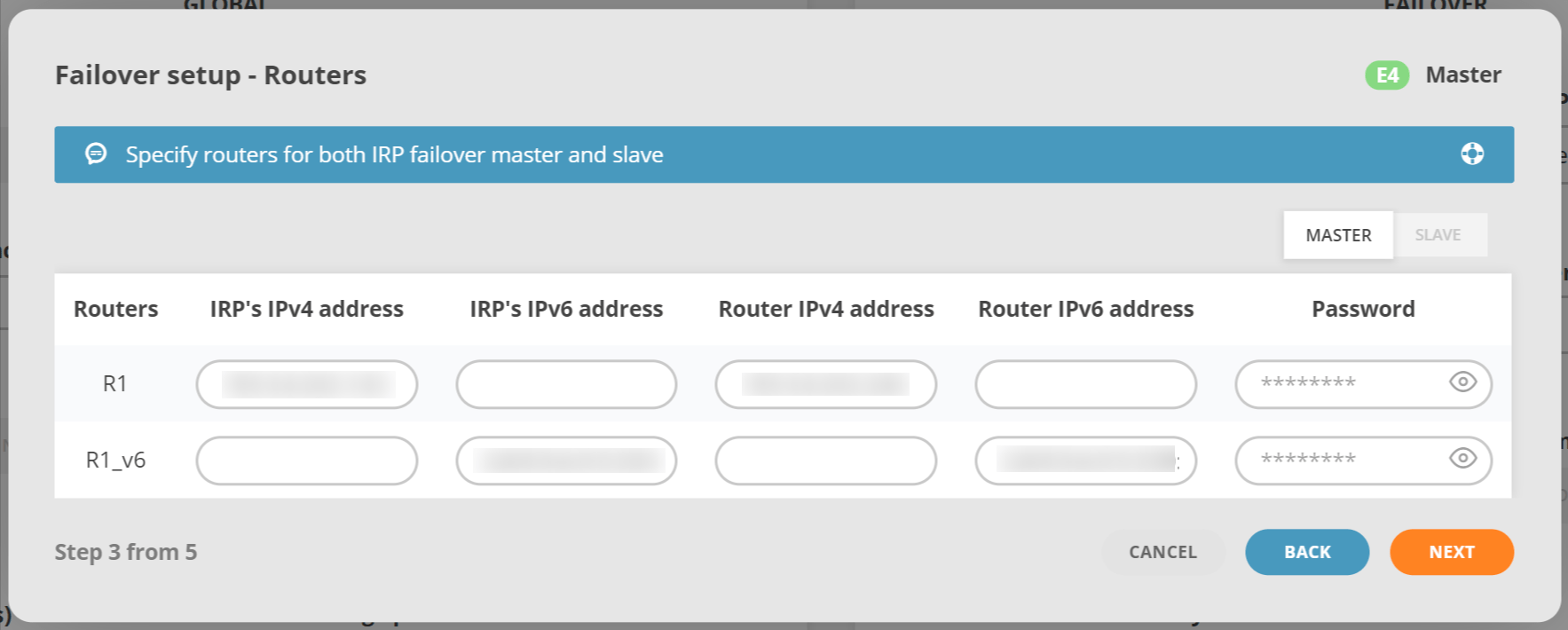
Figure 3.2.27: Configuration editor: Failover BGP session settings
Step 4: BGP LocalPref and Communities #
Master and slave nodes apply BGP attributes to announcements:
- LocalPref for master and slave (bgpd.peer.X.master_localpref, bgpd.peer.X.slave_localpref)
- Communities for master and slave (bgpd.peer.X.master_communities, bgpd.peer.X.slave_communities)
 Master’s LocalPref value must be greater than slave’s LocalPref.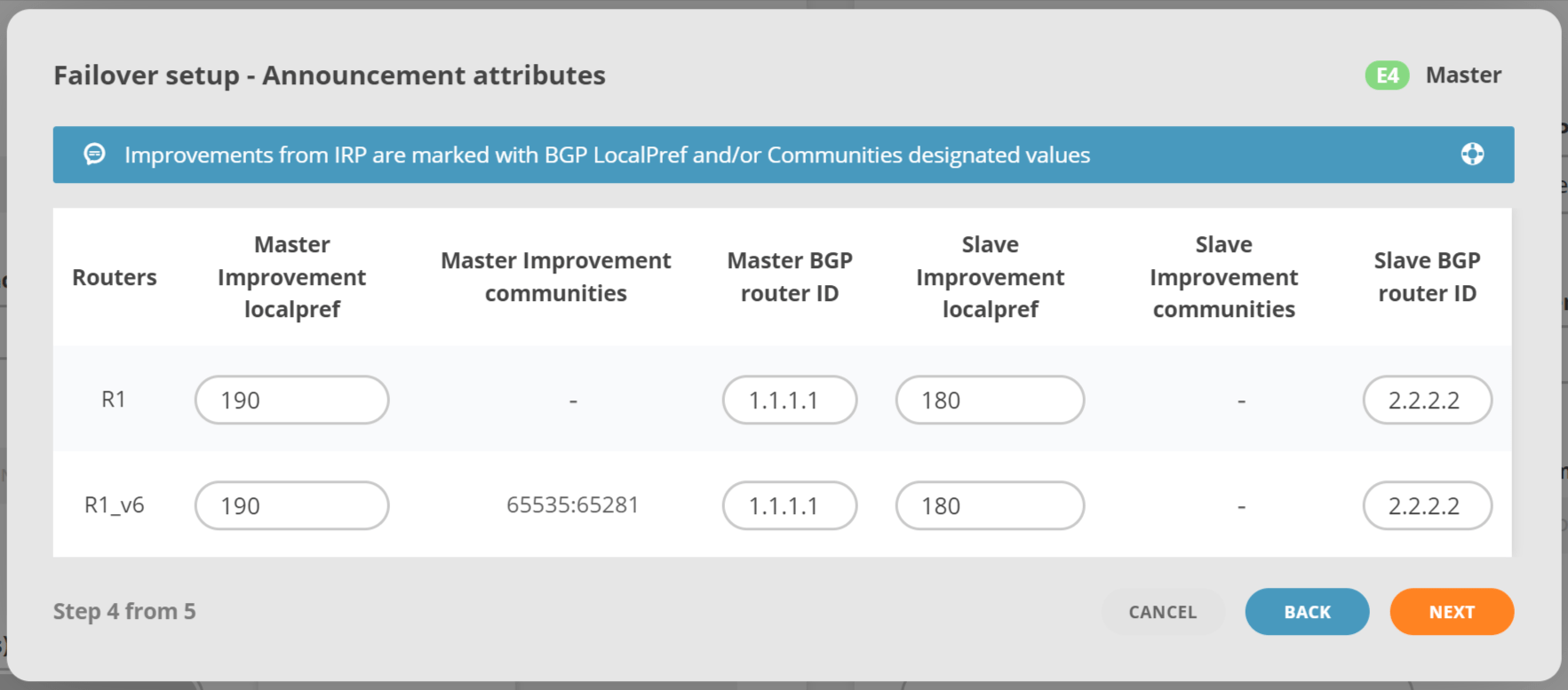
Figure 3.2.28: Configuration editor: BGP announcement attributes
Step 5: Probing interfaces #
Failover requires configuration of Management and Probing interfaces for both master and slave nodes (global.master_probing_interface, global.slave_probing_interface). Toggle between master and slave settings to specify values for both nodes.
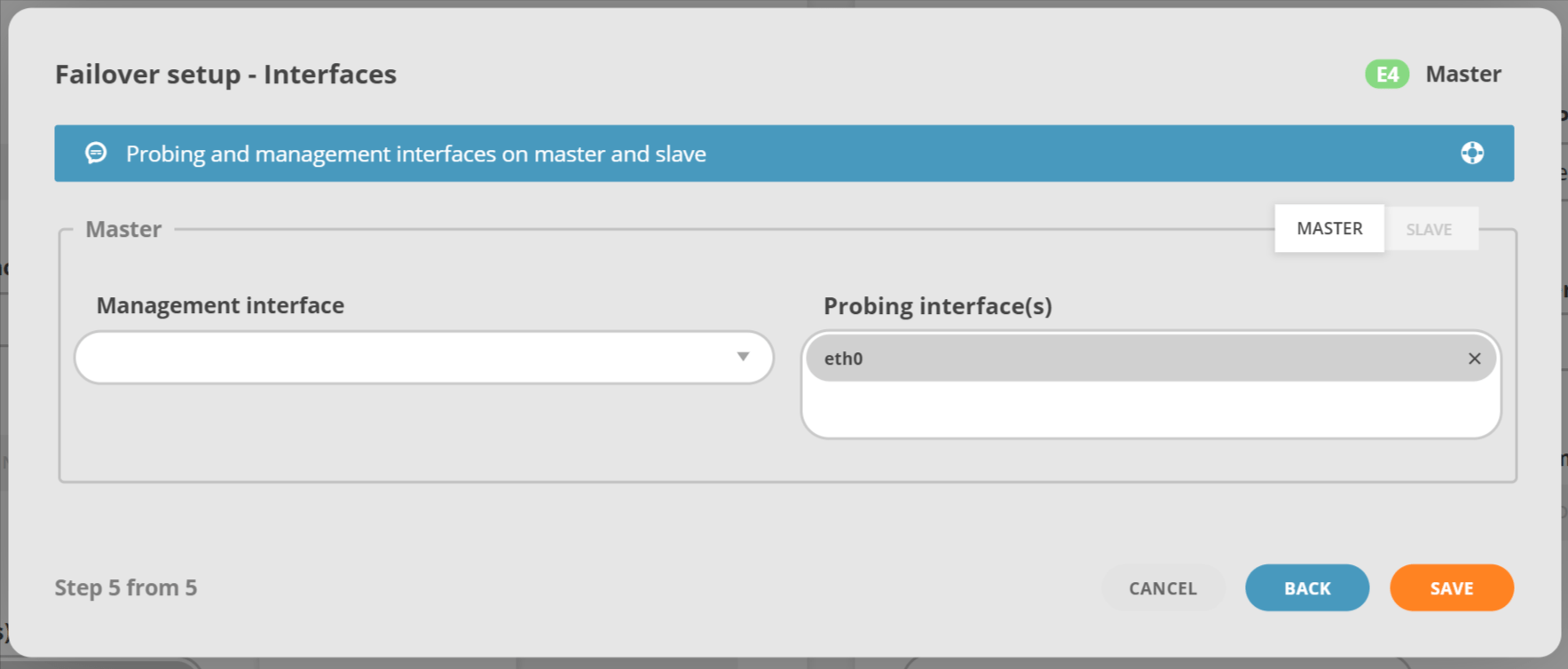
Figure 3.2.29: Configuration editor: Probing and management and interfaces