
Expanded Reflection and Amplification Attack Detection
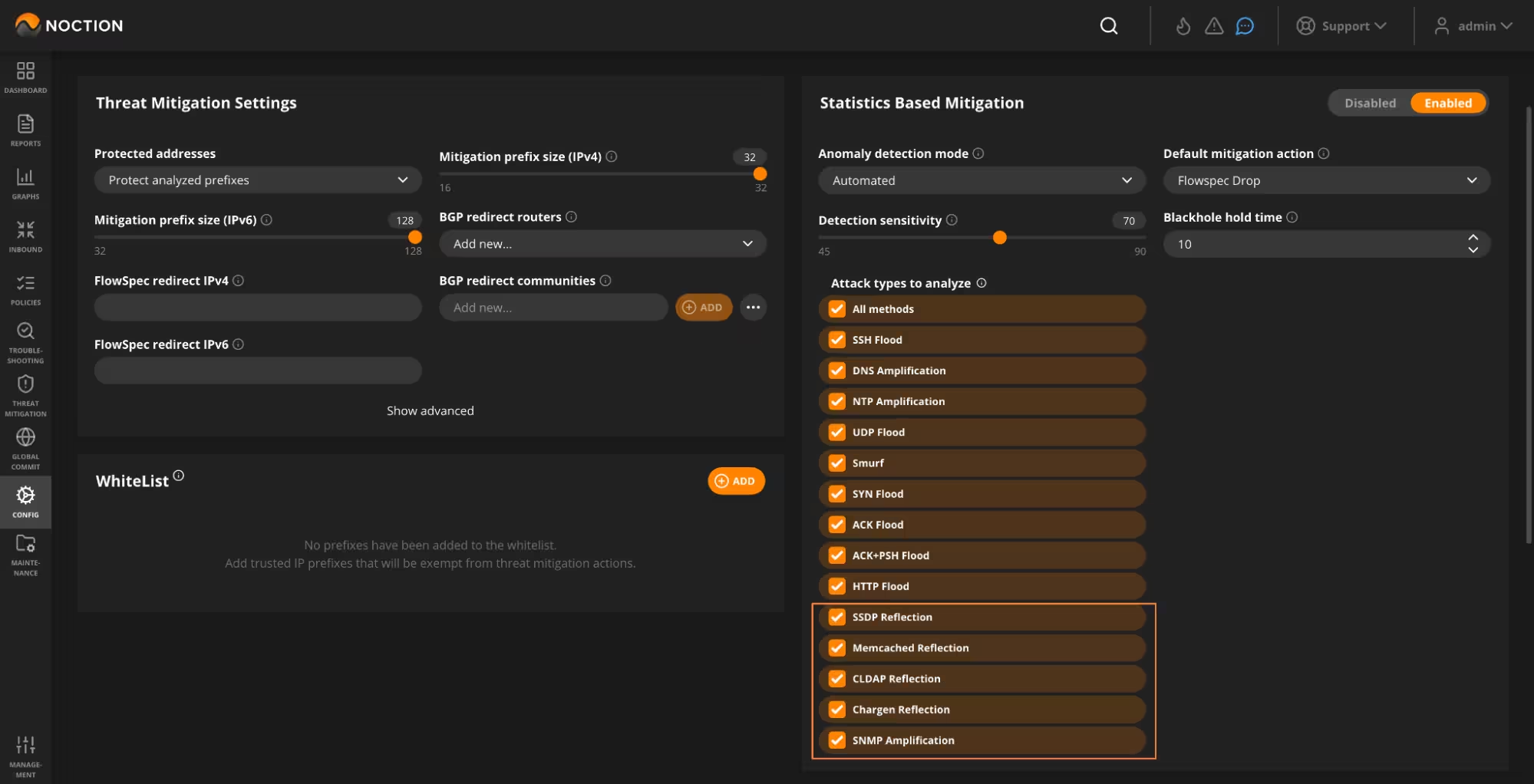
IRP’s Automatic Anomaly Detection now covers five additional reflection and amplification vectors: SSDP/UPnP, Memcached, CLDAP, Chargen, and SNMP. AAD identifies these attacks by analyzing sustained traffic concentration on known reflector ports, inbound response patterns without corresponding outbound requests, and deviations from the network’s established traffic baseline. Read the blog →
Noction Intelligent Routing Platform v4.3.1 expands Automatic Anomaly Detection coverage, adds enterprise authentication options, and provides more granular control over provider-specific routing policies. The release also adds support for Ubuntu 26 LTS, introduces per-user default instances, and refines several configuration and data-handling workflows. Here are the details:
Expanded Reflection and Amplification Attack Detection
IRP’s Automatic Anomaly Detection now covers five additional reflection and amplification vectors: SSDP/UPnP, Memcached, CLDAP, Chargen, and SNMP. AAD identifies these attacks by analyzing sustained traffic concentration on known reflector ports, inbound response patterns without corresponding outbound requests, and deviations from the network’s established traffic baseline. Read the blog →
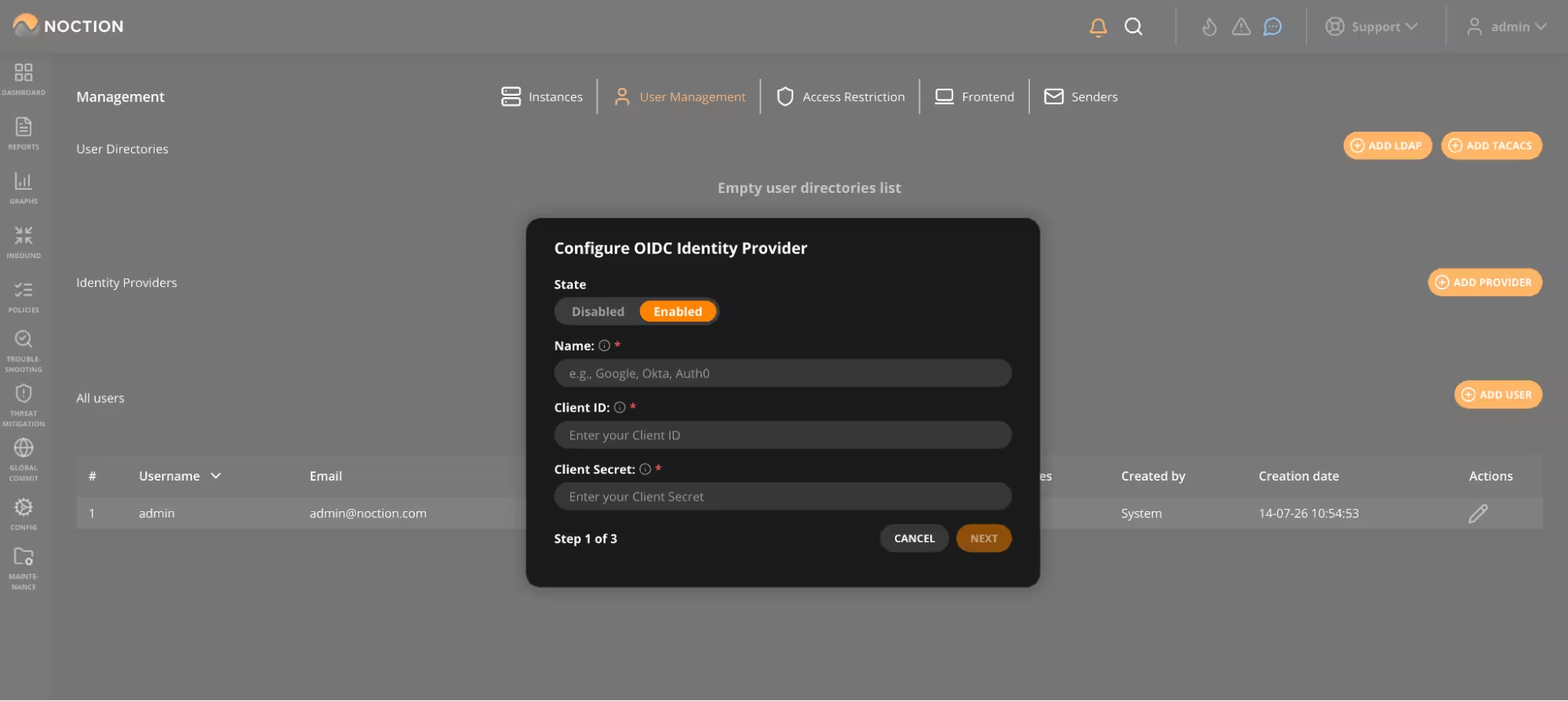
External Identity Providers and TLS-Secured TACACS Authentication
Noction IRP now supports external Identity Providers through OpenID Connect, allowing it to integrate with enterprise authentication platforms and Single Sign-On deployments. Organizations can use their existing identity infrastructure to manage access to IRP instead of maintaining a separate authentication workflow. Read the documentation →
Per-Provider BGP Communities
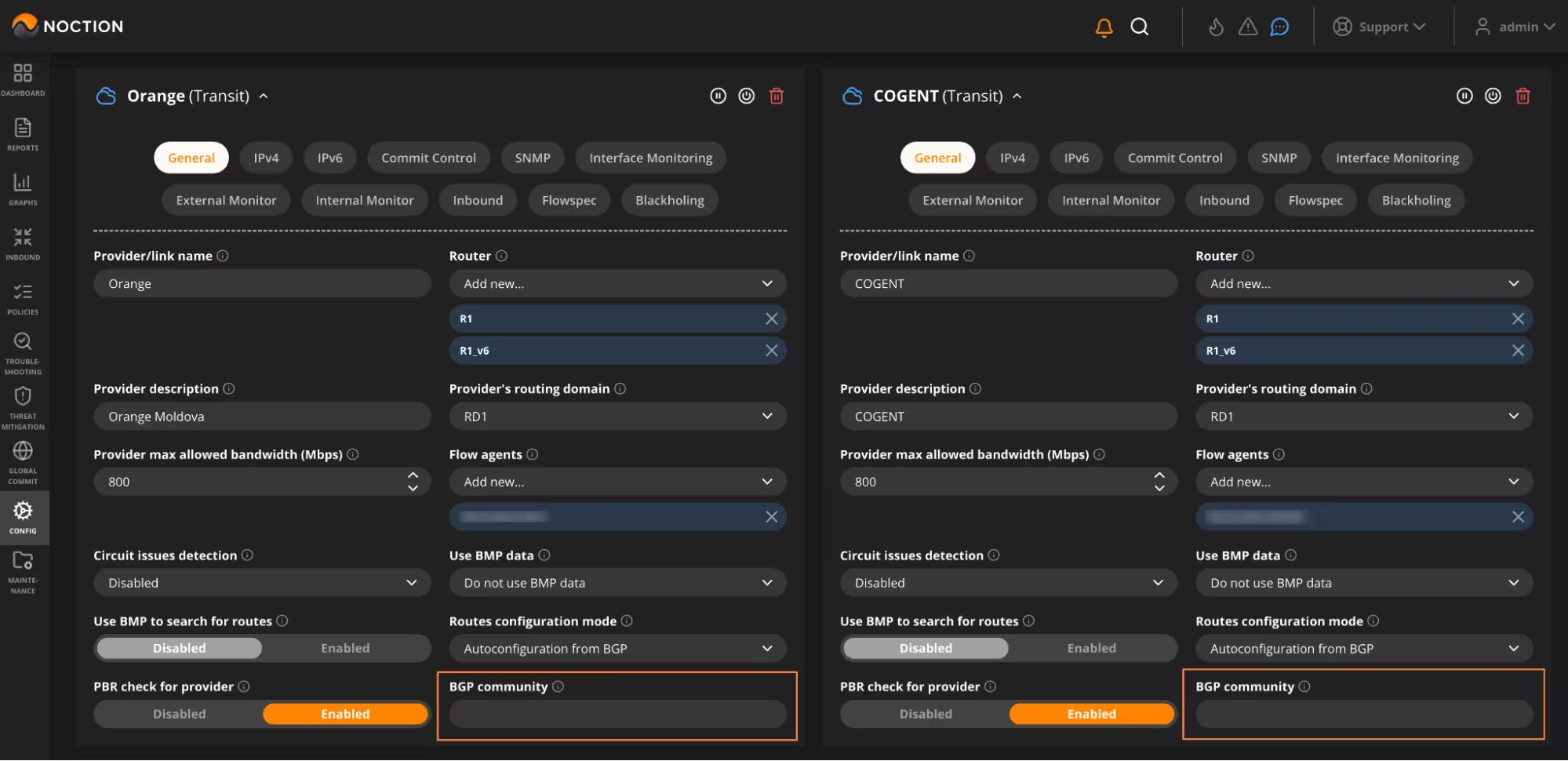
The Intelligent Routing Platform now allows an individual BGP community to be assigned to each configured provider. This enables operators to apply provider-specific routing policies instead of relying on a common BGP community configuration across multiple upstream connections. The additional granularity supports traffic engineering scenarios where different transit providers require distinct community values or route-handling policies. It also gives operators more precise control over how IRP-generated route advertisements are processed by each provider.
Additional Improvements
IRP v4.3.1 also includes the following platform, monitoring, configuration, and usability updates:
- Ubuntu 26 LTS Support: IRP and the Global Management Interface are now fully supported on Ubuntu 26 LTS, Resolute Raccoon.
- System Dashboard Redesign: The system dashboard now uses a cleaner layout with dedicated sections for BGP sessions, bandwidth, maintenance windows, failover, and performance statistics.
- Datepicker Updates: The Datepicker component has been updated for more reliable date selection across supported themes and interface states.
- Live Monitor Status Report: The Live Monitor Status Report and related dashboard widgets have been reorganized with clearer grouping and presentation of system health information.
Internet Exchange PBR Defaults: Operators can now select the default Policy-Based Routing state applied to Internet Exchange peers during autoconfiguration. - Per-User Default Instances: Users can select a preferred instance that reports, graphs, and dashboards open automatically in multi-instance deployments.
- Load from File Options: The “Load from File” feature now provides consistent Clear, Append, and Replace options for handling existing data.
For more information on the complete set of features and improvements available with IRP 4.3.1, get in touch with Noction account representatives at sales@noction.com or review product documentation.
Interested in the new Noction Intelligent Routing Platform version? Request a personalized demonstration.