
Noction Intelligent Routing Platform v4.3 has just been released, bringing a new layer of automation, visibility, and control to network operations. This release focuses on proactive threat detection & mitigation, better bandwidth control alignment with physical network reality, and greater flexibility in managing routing improvements.
Here are the key features and improvements included in IRP v4.3.
Automatic Anomaly Detection & Threat Mitigation
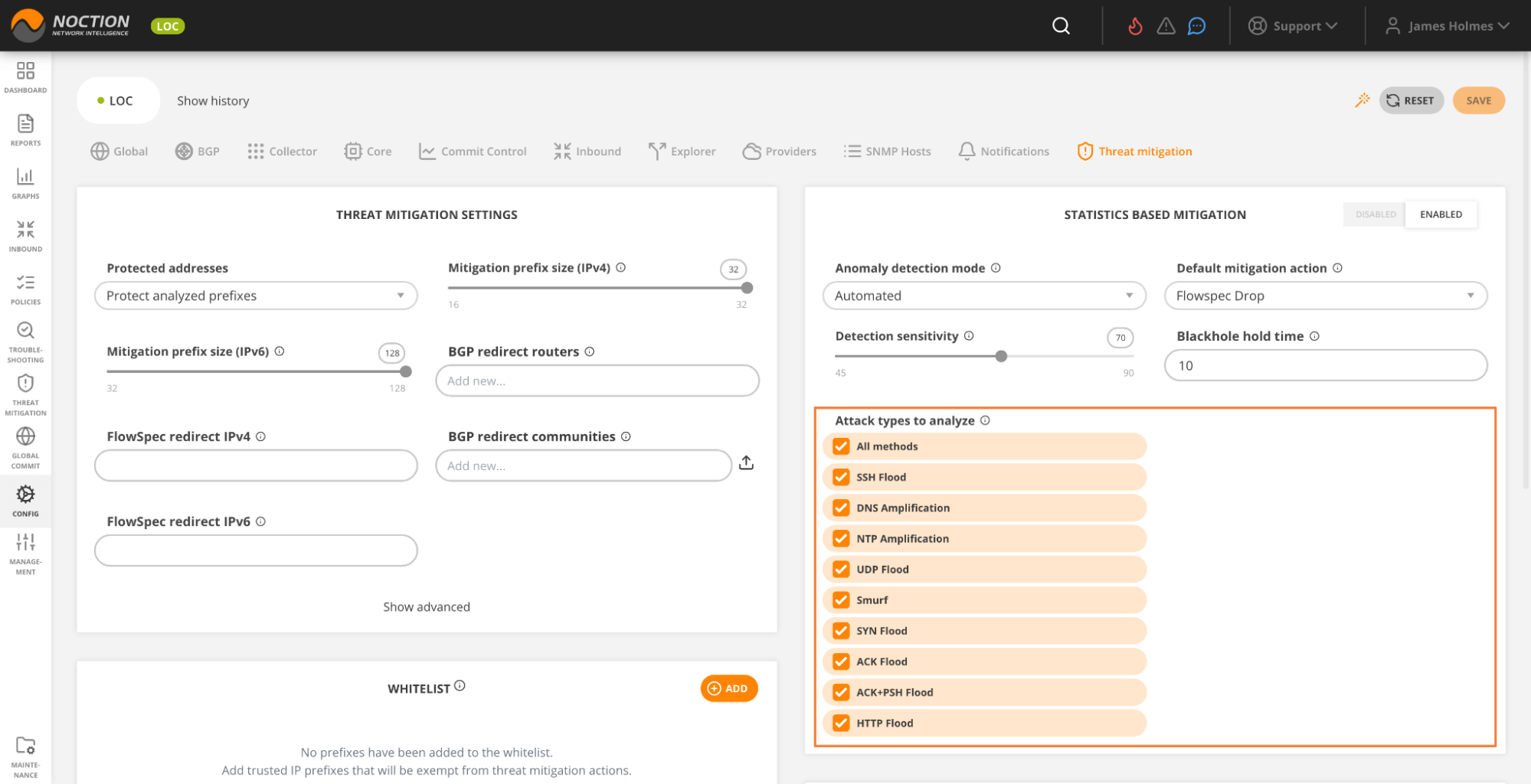
IRP v4.3 introduces Automatic Anomaly Detection (AAD), a new capability designed to identify abnormal traffic behavior and mitigate threats directly at the network edge.
Automatic Anomaly Detection helps protect networks against a wide range of threats, including SSH Flood, HTTP(s) Flood, Smurf, DNS Amplification, ACK Flood, etc, while significantly reducing reaction time and operational overhead. Depending on operational preference, mitigation can be applied automatically or reviewed by an operator before execution. Learn more about IRP’s Automatic Anomaly Detection in our blog.
Noction Intelligent Routing Platform v4.3 has just been released, bringing a new layer of automation, visibility, and control to network operations. This release focuses on proactive threat detection & mitigation, better bandwidth control alignment with physical network reality, and greater flexibility in managing routing improvements.
Here are the key features and improvements included in IRP v4.3.
Automatic Anomaly Detection & Threat Mitigation
IRP v4.3 introduces Automatic Anomaly Detection (AAD), a new capability designed to identify abnormal traffic behavior and mitigate threats directly at the network edge.
Automatic Anomaly Detection helps protect networks against a wide range of threats, including SSH Flood, HTTP(s) Flood, Smurf, DNS Amplification, ACK Flood, etc., while significantly reducing reaction time and operational overhead. Depending on operational preference, mitigation can be applied automatically or reviewed by an operator before execution. Learn more about IRP’s Automatic Anomaly Detection in our blog.
Commit Control with Physical Interface Awareness
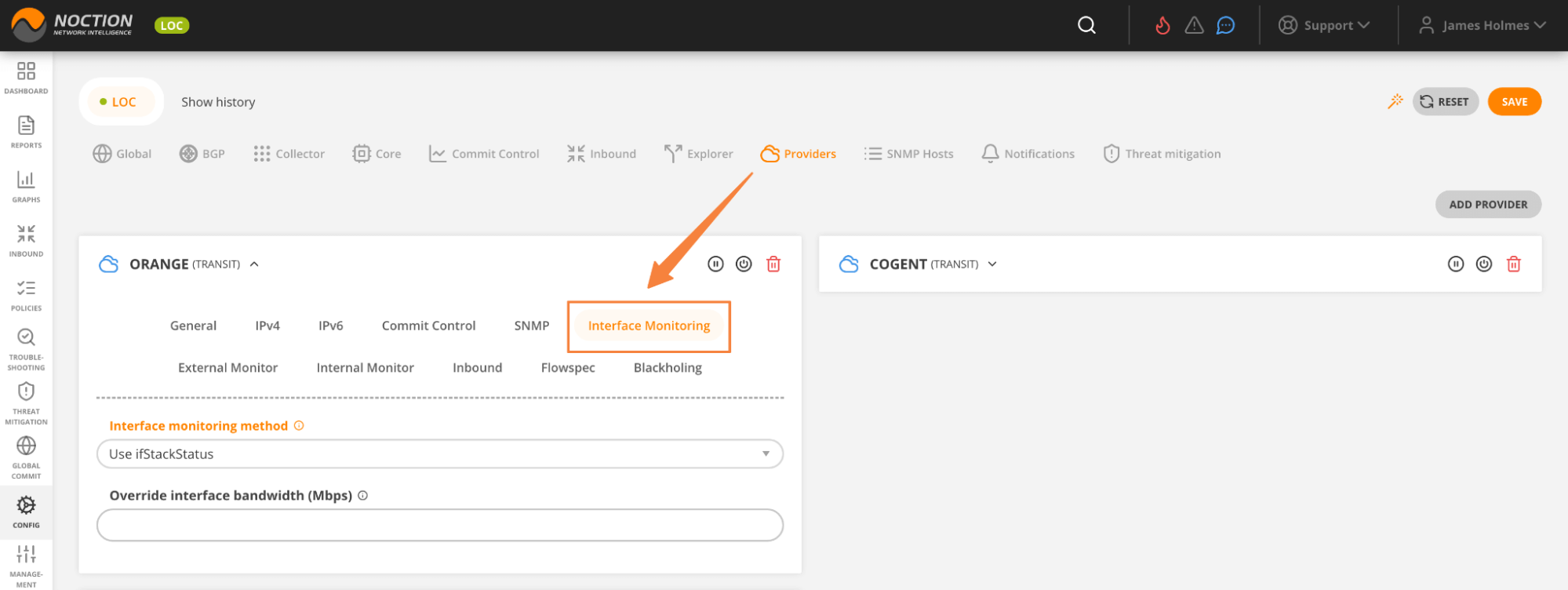
IRP v4.3 strengthens Commit Control with Interface Monitoring, making dynamic bandwidth adjustment decisions aware of the real physical state of provider connections.
Commit Control enforces bandwidth limits to ensure traffic shifts remain controlled and predictable. In practice, physical conditions can change – interfaces may fail, bonded links can degrade, and available capacity may be reduced without immediate visibility. Interface Monitoring continuously evaluates the operational status and capacity of provider-facing interfaces and aligns Commit Control decisions with actual physical capacity. Read the blog post to learn more.
More Flexible Control Over Probing and Routing Improvements
IRP v4.3 adds greater flexibility in how routing improvements are applied.
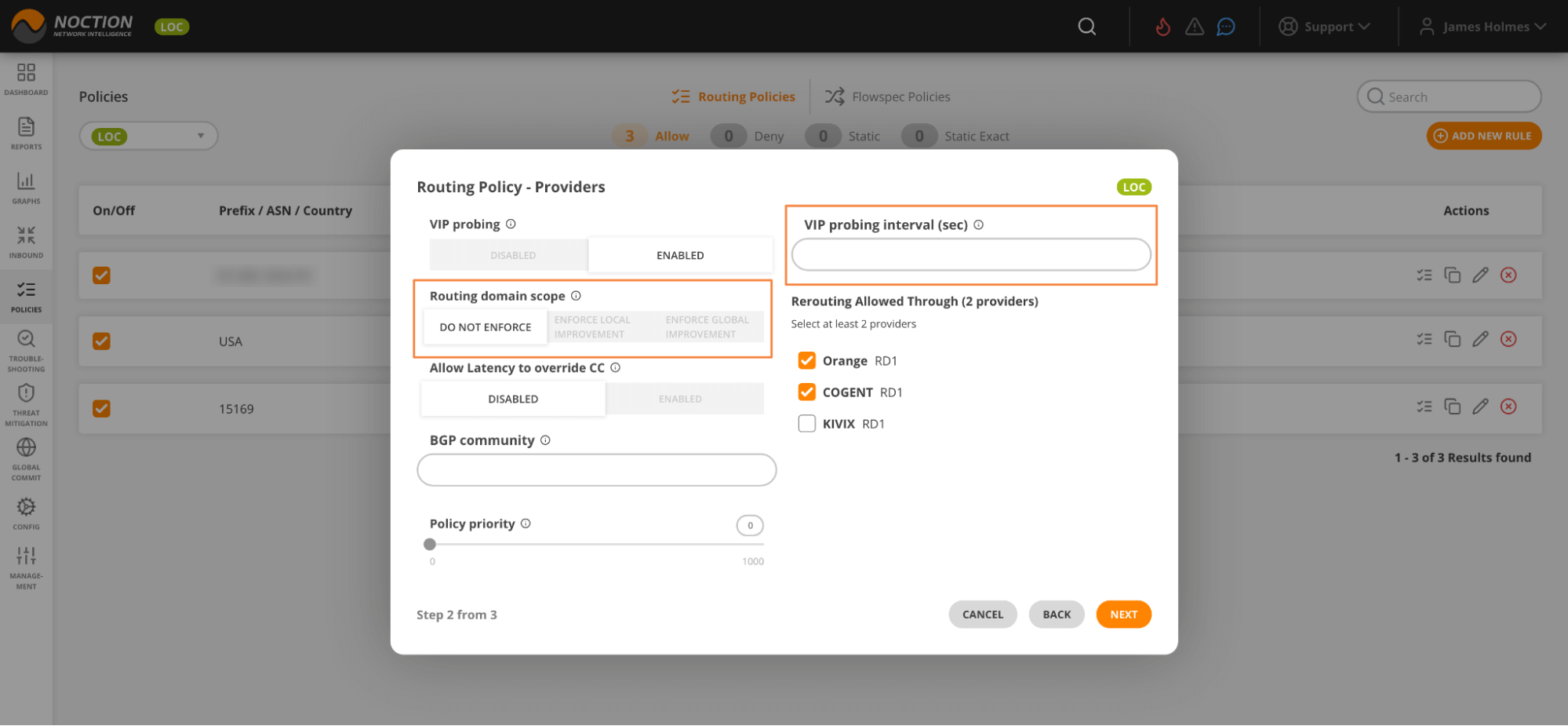
Operators can now control whether certain improvements are applied locally or globally in Multiple Routing Domains scenarios. The behavior can be defined either system-wide or on a per-policy basis, allowing users to adapt IRP behavior to different operational models or traffic engineering strategies.
Moreover, the release introduces configurable re-probing intervals per Routing Policy, allowing operators to tailor probing frequency based on policy importance. This provides more responsive monitoring for critical paths while reducing unnecessary overhead for less sensitive traffic.
Additional Improvements in IRP v4.3
Alongside the major features above, this release includes several enhancements across monitoring, usability, security, and troubleshooting:
- Enhanced Monitor Status report and visibility into internal monitors for Internet Exchanges.
- Redesigned Control Panel section with a more modern and streamlined user interface.
- Time-interval selection for report and graph subscriptions, enabling recurring reports for periods such as “last week” or “last month.”
- Enhanced MTR troubleshooting tools with support for ICMP, UDP, or TCP protocol selection.
- Strengthened login security with client-side encryption for user passwords.
These updates collectively improve day-to-day usability while strengthening IRP’s reliability and security posture.
For more information on the complete set of features and improvements available with IRP 4.3, get in touch with Noction account representatives at sales@noction.com or review product documentation.
Interested in the new Noction Intelligent Routing Platform version? Request a personalized demonstration.